

How to Distinguish Between a Real Diamond and a Fake One?
by Yoad on Oct 11 2020
Introduction
When buying jewelry, especially diamonds, one of the most crucial questions is: how to tell the difference between real and fake diamonds? Understanding the difference between real and fake diamonds helps you make confident purchases and avoid costly mistakes. In this guide, we’ll break down clear tips, tests, and visual cues to spot a real diamond vs fake, focusing on their sparkle, durability, and other essential traits.
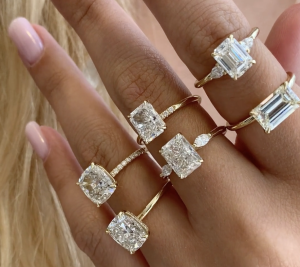
Nature Sparkle offers both Lab grown and Natural diamond options.
Top: Hera, Calliope, Petrina
Bottom: Anna, Rania, Iris
Difference Between Real and Fake Diamonds: Key Factors
1. Sparkle: Real Diamond vs Fake
One of the easiest ways to spot a real diamond from a fake is by observing its sparkle. Real diamonds have a unique brilliance, reflecting both white light (brilliance) and colored light (fire). Fake diamonds, like cubic zirconia or moissanite, may sparkle but often show rainbow-colored reflections more prominently or appear duller under light. This is a critical aspect when comparing real diamond sparkle vs fake.
2. Hardness and Durability
Real diamonds are the hardest known natural material, rating a 10 on the Mohs hardness scale, meaning they resist scratches from all other materials. Fake diamonds are generally softer and can be scratched more easily. This difference is crucial when evaluating the longevity of your jewelry.
3. Weight Differences
Since most fake diamonds are made of lighter materials, a fake diamond vs real diamond of the same size will often weigh less. Weighing your stone or comparing it to known standards can help spot fakes.
4. Transparency Test
Real diamonds slightly impair visibility due to their refractive index—the way light bends inside the stone. Placing a diamond over text and seeing if the words appear blurry or distorted can indicate authenticity. Fake stones often show clearer, undistorted views.
5. Fog Test
Breathe on the diamond to see how quickly the fog from your breath dissipates. A real diamond clears up almost immediately due to its heat conductivity, whereas fake diamonds hold the fog longer.
6. Certifications and Professional Appraisal
Always check for reputable certifications from gemological laboratories like GIA or AGS. An expert appraisal is the most reliable way to verify if your stone is genuine.
Tips to Avoid Fake Diamonds
- Buy from trusted retailers like Nature Sparkle with verifiable GIA and GIA certifications.
- Request laboratory reports and compare them.
- Be cautious of prices that seem too good to be true.
- Get a professional jeweler’s opinion before purchasing.
Conclusion
Knowing the difference between real and fake diamonds empowers you to make smart, confident jewelry purchases. By understanding sparkle variations, hardness, weight, and simple tests like fog and transparency, you can distinguish real diamond sparkle vs fake with ease. When in doubt, rely on professional grading and purchase from reputable jewelers to ensure your diamond is as authentic as your love.
Frequently Asked Questions (FAQs)
Q1: How can I tell the difference between real and fake diamonds at home?
Ans: Check for sparkle, use the fog test, and perform the transparency check to spot many fakes.
Q2: What is the difference between real and fake diamonds in terms of sparkle?
Ans: Real diamonds produce both brilliance (white light) and fire (colored light), while fakes often have exaggerated rainbow effects or less scintillation.
Q3: Are fake diamonds easily scratched compared to real diamonds?
Ans: Yes, real diamonds are extremely hard and resistant to scratches, unlike most fakes.
Q4: Can weight help identify fake diamonds?
Ans: Often, yes. Fake diamonds tend to be lighter than real diamonds of the same size.
Q5: Is professional certification important?
Ans: Absolutely. Certificates from labs like GIA verify authenticity and quality.
